

Our Blogs
Persian Kittens Update
How To Tell If A Persian Kitten Breeder Follows Responsible Practices?
Buying a Persian kitten is a big decision. A cute photo can catch your attention, but it cannot show you how a breeder raises, handles, and cares for each kitten. If you are comparing Persian kittens for sale, look beyond appearance. Ask about health records, how the kittens are raised, where they live, their parents, and what support you get before paying a deposit.
What Should A Responsible Persian Kitten Breeder Show You?
A responsible breeder should make it easy to understand where your kitten comes from and how it is raised. You should not have to keep asking for basic answers or rely only on pretty photos.
Before choosing a breeder, look for clear information about:
- The kitten's age and current health
- Vet checks and vaccination records
- Deworming and regular care
- The kitten's parents and their background
- Living conditions and daily handling
- Time spent with people and other pets
- Health guarantees and buying terms
- Support after the kitten comes home
A good breeder should also be open to questions. You are not being difficult by asking for details. You are making a careful choice about a pet that could be part of your family for many years.
Health Records Should Come Before Coat Color
Persian cats can have beautiful eyes, long coats, and many colors and patterns. That can make appearance a big part of your choice. Still, health should come first.
Ask what health checks the breeder gives the kittens and breeding cats. More importantly, ask to see records that support those checks. Simply saying "all kittens are healthy" does not give you much useful information.
Useful records may include:
- Vet examination records
- Vaccination history
- Deworming records
- Health checks related to the breed
- Genetic tests when needed
- Health information about the parents
- A written health guarantee
This matters even if you have your heart set on White Persian kittens for sale. A beautiful coat does not make up for poor breeding or weak care.

How Does The Breeder Socialize Each Kitten?
A Persian kitten needs more than food, sleep, and a clean litter box. Regular contact with people can help a young kitten get used to handling and normal home life.
Ask the breeder what they mean when they say a kitten is "socialized." Look for clear examples instead of a general promise. For example, kittens may get used to:
- Gentle handling by different people
- Normal sounds around the home
- Brushing and combing
- Using a litter box
- Other cats
- Children or dogs with proper supervision
- Short car rides or new places
These details help you understand what the kitten has actually experienced before coming home.
Also ask how often people handle the kittens. A breeder who can explain the kitten's daily routine gives you a much better idea of how it has been raised than someone who simply calls every kitten friendly.
The Living Space Should Be Clean And Safe
The place where kittens grow up can tell you a lot about how a breeder cares for them. The area should look clean, safe, and suitable for cats. Kittens need proper food, fresh water, sleeping areas, litter areas, and enough space to move around.
A home-based setup can also help kittens get used to normal household life. They may hear people talking, doors opening, appliances running, and other everyday sounds. This can help them feel more comfortable in their future homes.
But do not judge a breeder based only on a clean room or a few social media photos. Ask where the kittens spend most of their time, how often the area is cleaned, and how the breeder keeps kittens and adult cats safe around each other.
What Do Pedigree And Registration Records Tell You?
If you want a purebred Persian kitten, pedigree information is worth checking. A pedigree can show the kitten's parents and give you more information about its family background.
Registration with a recognized cat group can also provide records if you care about known bloodlines, breed standards, or showing.
Still, do not assume that claims such as "champion bloodline" mean the breeder is responsible. Ask what the claim means and whether the breeder can show records to support it.
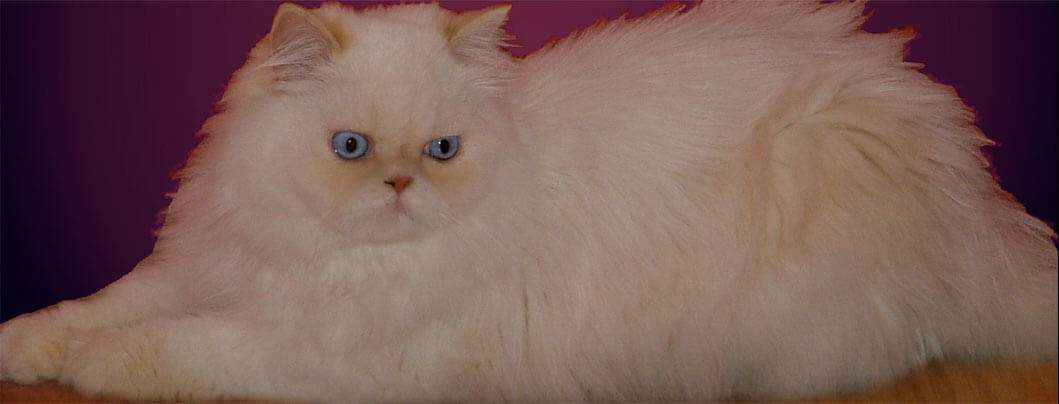
The same rule applies if you find a listing for a Himalayan Persian cat for sale. The kitten's color, markings, and looks may catch your eye, but the breeder should still give you clear information about its parents, health care, and background.
A Clear Buying Process Protects You
Money should not be the only thing you discuss with a breeder, but you should understand the payment details before you agree to anything.
A good breeder should clearly explain the price, deposit, payment rules, pickup or delivery plans, registration papers, and what comes with the kitten.
Before paying, confirm:
Clear terms can prevent problems later. They also show that the breeder takes the sale and the kitten's new home seriously.
Which Red Flags Should Make You Walk Away?
Some warning signs deserve more attention than a slightly higher price. Be careful if a breeder:
- Avoids basic health questions
- Refuses to show where the kittens live
- Cannot provide basic health records
- Pressures you to send money right away
- Gives different answers to the same questions
- Offers kittens that are too young to leave
- Has large numbers of kittens with little information about them
- Makes strong health claims without records
- Avoids contracts or health guarantees
Do not assume a low price means you found a good deal. Poor breeding or poor early care can lead to health problems, extra costs, and stress later.
At the same time, a high price does not prove that a breeder is responsible. Price alone cannot tell you how well a breeder cares for their cats.
Ask The Right Questions Before Paying A Deposit
You should feel comfortable asking direct questions before making a decision. A responsible breeder should understand why you want clear answers. Ask about:
- The kitten's age and when it can leave
- Vet checks and vaccinations
- Deworming and regular care
- Health tests done on the parents
- The kitten's daily handling and socialization
- Current food and feeding routine
- Health guarantee terms
- Contract and deposit rules
- Pedigree or registration papers
- Support after the kitten comes home
Pay attention to more than the answers. Notice if the breeder gives clear details, shows records, and takes your concerns seriously.
A good breeder should also care about where the kitten will live. Questions about your home, other pets, grooming plans, and experience with Persian cats can show that the breeder wants the kitten to go to a suitable home instead of simply making a quick sale.
Summing Up
The cutest Persian kitten is not always the right choice. Look at what happens before the kitten comes home. Check health records, ask how the breeder handles the kittens, review pedigree details, read the contract, and find out what support is available after the sale.
When comparing Persian kittens for sale New York, these details can help you make a more informed choice. The Persian Kittens focuses on giving buyers clear information about each kitten's care, health, and background, so you can choose based on more than a cute photo. Ready to take the next step? Fill out the adoption form to ask about current kittens and upcoming litters.
Frequently Asked Questions
1. How Can I Check If A Persian Breeder Is Responsible?
Review the kitten's health records, how the breeder raises the kittens, their living space, buying terms, and information about the parents before making your choice.
2. What Health Records Should A Persian Kitten Have?
Ask for vet records, vaccination history, deworming details, and any relevant health or genetic test results.
3. Should A Breeder Let Me Ask About The Parents?
Yes. A responsible breeder should be willing to explain the parents' health, behavior, family background, and any health tests they have had.
4. Is A Pedigree Important When Buying A Persian Kitten?
A pedigree can show the kitten's parents and family background. It can be especially useful if breed history, bloodlines, or registration matter to you.
5. Should I Choose A Persian Kitten Based On Color?
Color can matter if you have a personal preference, but health, behavior, care, and proper records should carry more weight.